 Istra 1961 Hub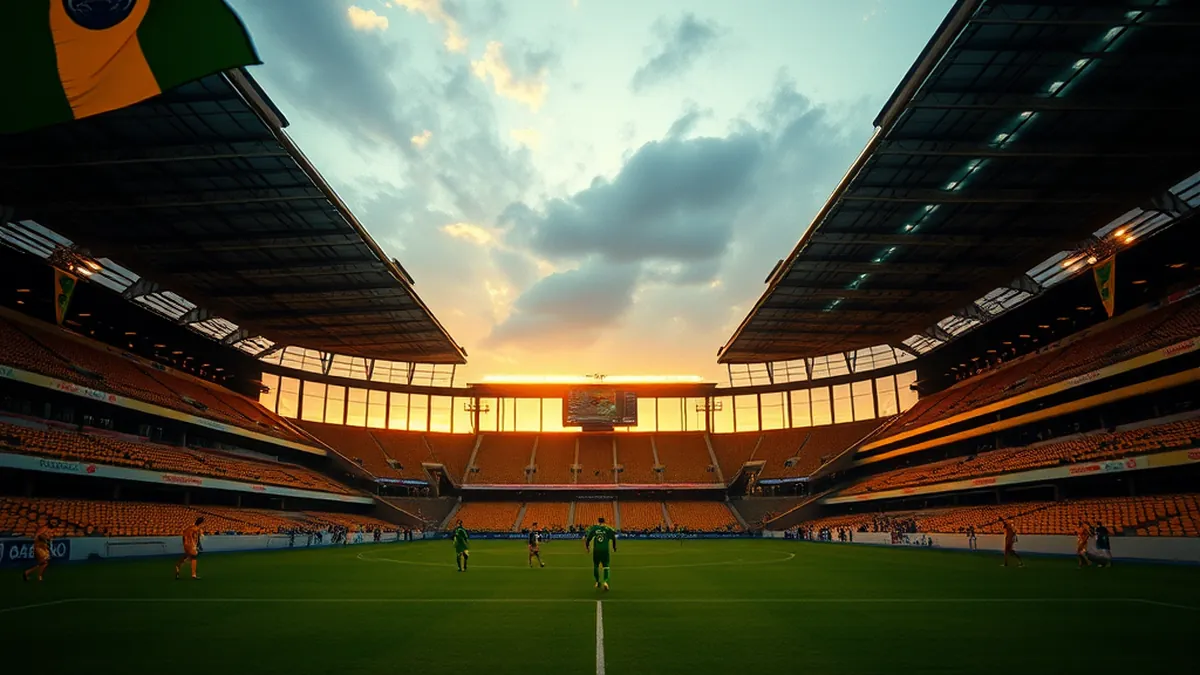
Zeleno-bijeli: Supporter Rituals and Traditions of Istra 1961
The supporter community of Istra 1961, known as Zeleno-bijeli, dominates the stadium in Pula with incredible passion and dedication. In every moment, from the arrival at the stadium to the final whistle, each supporter plays a vital role in creating a unique atmosphere that characterizes Istra 1961's matches.
Entering the World of Zeleno-bijeli
One of the most significant rituals for supporters begins on the way to the stadium. Many arrive in groups, proudly wearing jerseys in vibrant green and white colors. The streets of Pula come alive as fans gather, with songs and laughter setting a tone that announces the excitement to come. Before a derby against NK Rijeka, the atmosphere is especially tense, with passion palpable in the air.
The Stadium as a Temple
The stadium in Pula, the home ground of Istra 1961, becomes a true temple of football. When supporters enter, they greet their beloved club with traditional songs and banners bearing messages of support. The ritual of lighting flares and waving flags adds a special visual identity to the match, with all present sharing a common feeling of unity. These moments not only enhance the atmosphere but also strengthen the bond between the club and its supporters.
Songs and Choreographies
The Zeleno-bijeli are known for their creative choreographies and songs performed during matches. Whether it’s classic chants sung from the stands or elaborate choreographies involving entire sections, supporters create an incredible experience for everyone present. These rituals are not just entertaining; they serve as motivation for the players on the field, with every song and movement together creating an unforgettable atmosphere.
Rivalry with Rijeka
The derby against NK Rijeka is the highlight of every season for Istra 1961 supporters. This match is not just a game; it’s a battle for local pride, where every supporter feels the need to back their team until the last breath. In the lead-up to the derby, fans gather in various cafes and pubs, preparing for a true spectacle. Occasionally, trips to Rijeka are organized, where Zeleno-bijeli sing and cheer for their team on enemy territory, showcasing their passion and loyalty.
Conclusion
The supporter culture of Istra 1961 is not just about football; it's a way of life, a community that brings together people from various backgrounds under a common goal. Regardless of the match outcome, the passion and dedication of the Zeleno-bijeli remain unchanged, making everyday life in Pula richer and more vibrant. When everyone gathers at the stadium, memories are created that last a lifetime, and the love for the club remains stronger than any challenge.